Blue Dots: A Whimsical Typeface for Creative Projects
There's something instantly magnetic about a typeface that doesn't just sit on the page but practically bounces off it. You've seen fonts that feel sterile, corporate, and forgettable—and then you stumble across something like Blue Dots, and suddenly a children's book cover pops with personality, a birthday invitation feels like a celebration before you even read the words, and a small brand's packaging stands out on a crowded shelf. That's the power of choosing a typeface with genuine character, one that speaks to your audience before a single sentence is processed.
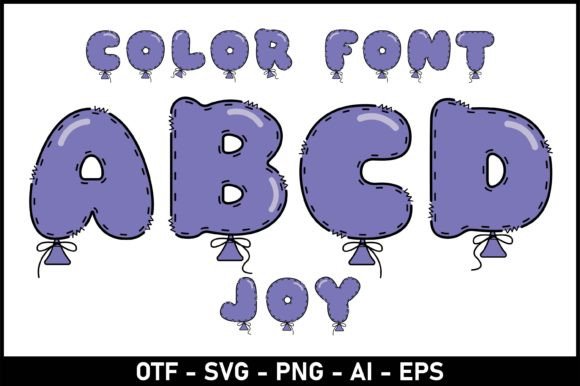
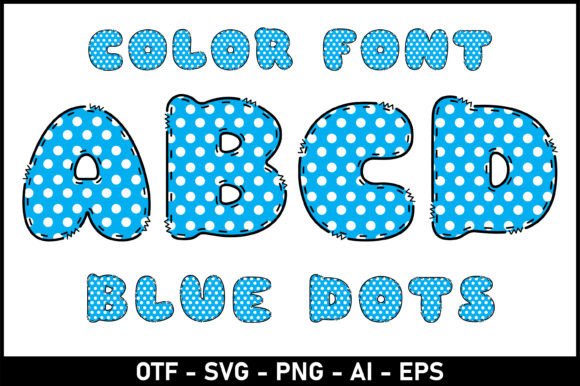
Blue Dots is a playful, hand-drawn display font that leans into whimsy without sacrificing clarity. Its rounded letterforms carry a sense of warmth and approachability, making it a natural fit for projects aimed at children, families, or anyone who appreciates a lighthearted visual tone. But calling it "just a kids' font" would undersell its versatility. Designers, small business owners, and content creators reach for typefaces like this when they want to inject personality into branding, editorial layouts, packaging, social media graphics, and digital products—without crossing into territory that feels unprofessional or hard to read.
Where Playfulness Meets Practical Design
The real charm of a font like Blue Dots lies in how it balances fun with function. Every letter feels intentionally crafted—rounded edges, slightly uneven baselines that mimic hand-lettering, and enough spacing between characters to keep paragraphs legible even at smaller sizes. This isn't a font that screams for attention through sheer novelty; instead, it earns attention through warmth and authenticity.
Consider a children's book illustrator working on a picture book about ocean adventures. The story is full of curious sea creatures, bright colors, and gentle humor. Setting the title in a rigid serif font would undercut the entire mood. Blue Dots, on the other hand, mirrors the playfulness of the illustrations themselves. It creates visual harmony between text and artwork, helping young readers associate reading with something delightful rather than laborious. That kind of emotional connection between typography and content is something experienced designers understand instinctively—and it's exactly why fonts with personality matter so much.
Branding That Feels Human
For small business owners—especially those running bakeries, craft shops, toy stores, pet boutiques, or family-oriented services—font choice is one of the earliest and most consequential branding decisions. A premium font with a playful, hand-crafted feel like Blue Dots can set the tone for an entire brand identity. It tells customers, "We're approachable, creative, and we care about the details."
Imagine a local cupcake shop using Blue Dots on its logo, menu boards, loyalty cards, and Instagram posts. The font becomes a recognizable thread running through every customer touchpoint. Over time, people associate that particular style with the brand's personality—fun, friendly, and a little bit sweet. That's visual consistency in action, and it's one of the most effective ways to build brand recognition without a massive marketing budget.
Matching Typography to Your Project Goals
Not every project calls for the same typographic voice, and one of the most common mistakes in design is choosing a font based solely on personal preference rather than audience expectations. Blue Dots excels in contexts where warmth, creativity, and accessibility are priorities. Here's where it tends to shine:
- Children's books and educational materials – Its rounded, friendly forms are easy for young readers to recognize and decode.
- Invitations and greeting cards – Birthday party invites, baby shower announcements, and holiday cards benefit from its celebratory energy.
- Packaging design – Artisan food brands, handmade cosmetics, and craft products can use it to signal a human touch.
- Social media graphics – Quote cards, promotional posts, and story templates gain visual interest without feeling overly corporate.
- Blog headers and website accents – Lifestyle bloggers, parenting sites, and creative portfolios can use display weights for headlines while pairing with a clean sans serif for body text.
- Posters and event flyers – Community events, school functions, and local markets benefit from fonts that feel welcoming rather than intimidating.
- Merchandise – Tote bags, stickers, mugs, and apparel designed for a younger or family-oriented audience.
- Digital products – Printable planners, worksheets, and educational downloads for platforms like Etsy or Teachers Pay Teachers.
The key is alignment. A font should reinforce the message, not compete with it. If you're designing a corporate annual report, Blue Dots probably isn't the right choice. But if you're creating a summer reading program poster for a library? It's nearly perfect.
Font Pairing: Building a Typographic System
One font rarely carries an entire project alone. Even the most distinctive display typeface needs a complementary partner for longer body copy. Blue Dots works beautifully alongside a simple sans serif font—think something like Open Sans, Lato, or Montserrat—for paragraphs and supporting text. The contrast between the playful display font and the clean, neutral body font creates visual hierarchy that guides the reader's eye naturally.
For editorial layouts or blog design, try using Blue Dots for section headers and pull quotes while reserving your sans serif for body paragraphs. This approach keeps the design feeling cohesive without overwhelming readers with too much personality in every line. It's the same principle behind a well-designed magazine spread: variety in type creates rhythm and interest, but too much variety creates chaos.
Readability Still Comes First
It's tempting to get swept up in a font's aesthetic appeal, but practical considerations matter just as much—especially when your audience includes children, older adults, or people reading on small screens. Blue Dots performs well in these scenarios because of its generous letter spacing and clear character shapes. The "a" looks like an "a," the "o" looks like an "o," and there's minimal risk of confusing similar letters—a common pitfall with more stylized handwritten fonts.
That said, context matters. At very small sizes, even the friendliest display font can become difficult to read. A good rule of thumb: use Blue Dots for headlines, titles, short phrases, and accent text. For anything longer than a sentence or two, switch to a more conventional body font. Your readers will thank you, and your designs will feel more polished as a result.
Understanding What's Included
Before committing to any font for a project—especially a commercial one—it's worth reviewing what styles and weights are included in the package. Some versions of playful typefaces like Blue Dots may include uppercase and lowercase letters, numerals, punctuation, and basic multilingual support. Others might offer alternate characters or stylistic variations that add even more flexibility. Knowing exactly what you're working with upfront saves time during the design process and prevents frustrating surprises when you discover a missing character mid-project.
Licensing and Commercial Use
If you're a freelancer, agency designer, or small business owner planning to use a font in client work or commercial products, licensing is non-negotiable. Most premium fonts—including many creative display fonts available through reputable foundries and marketplaces—come with specific terms outlining how the font can be used. Some licenses cover desktop use only, while others extend to web fonts, app embedding, and merchandise production.
Always read the license agreement before purchasing. If you're designing products for sale—like printable wall art, T-shirt designs, or digital planners—make sure the license explicitly permits that use. It's a small step that protects both you and your clients, and it's a hallmark of professional design practice.
Bringing It All Together
Choosing the right typeface is less about following trends and more about understanding your audience and your message. Blue Dots occupies a specific and valuable niche in the world of creative typography: it's expressive without being chaotic, playful without being childish, and distinctive without being illegible. For designers, entrepreneurs, and creators working on projects that call for warmth and personality—whether that's a children's book, a bakery's brand identity, a set of social media templates, or a community event poster—it offers a reliable foundation for visually engaging work.
The best typography decisions happen when you step back and ask: does this font serve the story I'm trying to tell? When the answer is yes, everything else—readability, brand recognition, audience engagement—tends to fall into place naturally.