Boogie: A Playful Typeface for Spooky Season Projects
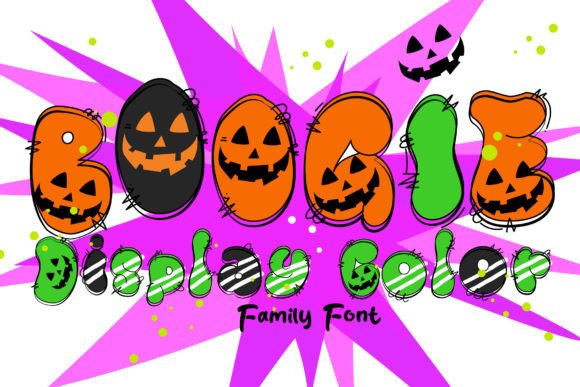
There’s a certain magic that happens when a design just clicks. It could be a Halloween party invitation that makes guests smile before they even read the details, or a social media graphic for a fall festival that stops the scroll. Often, the secret ingredient isn’t a complex illustration or a flashy animation—it’s the right typeface. For projects that need to balance whimsy with a touch of the macabre, finding a font that captures that specific mood can be a challenge. Enter Boogie, a detailed, colored display font that feels like it was pulled straight from a vintage Halloween movie poster or a friendly cartoon haunted house.
More Than Just a Spooky Vibe
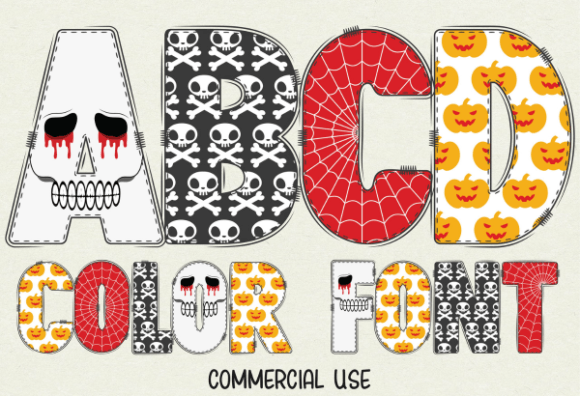
At its core, Boogie is a premium font designed for impact. Its letterforms are characterized by playful curves, subtle details, and a distinct personality that leans into the festive and slightly eerie. Unlike a stark, minimalist sans serif font, Boogie has built-in character. The black version offers that classic, versatile look perfect for cutting machines and single-color applications. However, the real showstopper is its color version. This isn’t a simple grayscale typeface; it’s a full-color design asset, with integrated hues that can include oranges, purples, greens, and blacks, giving it an authentic, pre-designed Halloween palette. This immediately solves a design problem for creators who want a cohesive look without spending hours manually coloring each letter.
Its utility extends far beyond October 31st. Think of a children’s book cover for a mildly spooky story, a logo for a small business selling artisanal candy, or the branding for a local haunted attraction. Boogie provides that instant thematic connection. For entrepreneurs and marketers, this means faster concept development. Instead of building a mood from scratch, the font itself sets the tone, allowing you to focus your energy on layout, imagery, and messaging.
Practical Applications for Creators and Businesses
The true test of a creative font is its versatility in real-world scenarios. Boogie shines as a headline or display typeface where personality needs to take center stage. Here’s how different professionals might put it to work:
- Brand Identity & Logo Design: For a niche brand—perhaps a bakery specializing in Halloween treats, a podcast about urban legends, or a seasonal pop-up shop—Boogie can become the cornerstone of a memorable visual identity. Paired with a clean, readable serif or sans serif font for body text, it creates a dynamic and engaging brand system.
- Packaging & Merchandise: Imagine product labels for limited-edition Halloween candy, stickers, or apparel. The colored version of Boogie adds a layer of visual interest that can make packaging pop on a shelf or in an online store, enhancing perceived value and brand recognition.
- Print & Digital Marketing: From posters and flyers promoting a community event to email headers and social media graphics announcing a sale, this typeface grabs attention. It’s particularly effective for Instagram Stories or Pinterest pins where bold, thematic visuals are key to engagement.
- Editorial & Publishing: Book covers, chapter headings in a themed anthology, or title cards for a video series can all benefit from the font’s distinctive style. It helps establish genre expectations instantly, which is crucial in editorial design and marketing.
Designing with Intention: Pairing and Readability
A font as distinctive as Boogie demands thoughtful implementation. Its strength is in display use, so pairing it wisely is essential for maintaining professionalism and readability. Avoid the common pitfall of using two highly decorative fonts together. Instead, let Boogie be the star. Partner it with a simple, geometric sans serif like Montserrat or a traditional serif like Garamond for body copy. This contrast ensures your main message remains clear and legible while the headlines deliver the desired emotional punch.
Always consider your medium. For digital applications like websites or social media, test how the font renders on different screen sizes. A complex, detailed typeface can lose its charm if scaled down too small. For print, especially with the color version, ensure your printer or production method can accurately reproduce the embedded colors. It’s a practical step that separates a good idea from a great final product.
Before committing to a commercial project, review the included font files and licensing. The compatibility note is crucial: the black OTF/TTF files work with a wide range of software, including Cricut Design Space, making it ideal for crafters and small business owners creating physical goods. The color version, however, has specific software requirements like Adobe Photoshop or Illustrator. Understanding these distinctions upfront will streamline your workflow and prevent frustration, ensuring your creative process is as smooth as possible.
Building a Cohesive Visual Language
Typography is a fundamental pillar of visual communication. The fonts you choose do more than present words; they convey tone, establish hierarchy, and build subconscious associations with your audience. A well-chosen display font like Boogie, when used consistently, becomes a recognizable element of your brand’s visual language. It tells a story before a single sentence is read.
For the content creator or small business owner, investing in a high-quality, themed typeface is an investment in efficiency and cohesion. It provides a ready-made design element that aligns with specific campaigns or seasonal offerings, helping to maintain a professional presentation across all touchpoints. Whether you’re designing a one-off Halloween party invitation or developing a full brand identity for a spooky-themed venture, a font with this much built-in personality can be a powerful tool in your design assets library. It’s about finding the right tool for the job—one that does some of the heavy lifting for you, so you can focus on telling your unique story.