Chocolate Bar: A Font That Feels Like a Treat
There’s something deeply satisfying about a design that just feels right—where every element works in harmony to tell a story. Typography is often the unsung hero in that equation, and finding a typeface with genuine personality can transform a project from forgettable to fantastic. If your work leans toward the playful, artistic, or whimsically bold, a font like Chocolate Bar might be exactly the ingredient you’ve been searching for. It’s not just a collection of letters; it’s a design asset with character, ready to inject warmth and creativity into your next project.
A Typeface with Playful Charm
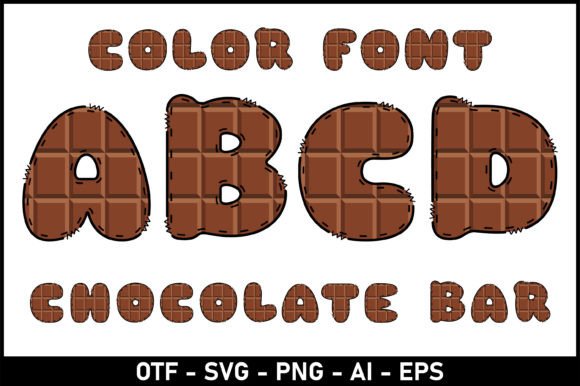
So, what exactly is Chocolate Bar? At its core, it’s a premium font designed with a distinct, friendly aesthetic. Think of it as a display font that doesn’t take itself too seriously, making it ideal for projects that need to connect on a human, often joyful, level. Its visual appeal lies in its rounded forms and slightly irregular, handcrafted feel, which avoids the cold precision of some sans serif fonts while steering clear of overly formal serif fonts. This creative font strikes a balance—it’s legible enough for short blocks of text but has enough flair to act as a headline-grabber.
This kind of modern typography is incredibly versatile. It’s the style you’d see bringing a children’s book cover to life, making a poster for a local bakery feel inviting, or adding a touch of whimsy to a wedding invitation. The black version works seamlessly with tools like Cricut Design Space, which is a huge plus for crafters and small business owners creating physical products. Just remember, if you’re using the color version for vibrant digital projects, you’ll need design software like Adobe Photoshop or Illustrator to fully unlock its potential.
Practical Applications for Your Brand and Projects
Let’s move beyond theory. How can a font like Chocolate Bar actually serve your work? Its personality makes it a strategic choice for specific applications where you want to evoke a particular feeling.
- Branding & Logo Design: For brands that want to appear approachable, fun, or artisanal, this typeface can be a cornerstone of a brand identity. Imagine a logo for a craft coffee shop, a boutique children’s clothing line, or a specialty dessert maker. The font immediately communicates a certain warmth and creativity.
- Packaging Design: On shelf, packaging needs to tell a story at a glance. Using Chocolate Bar for product names or key descriptors on packaging for gourmet snacks, organic products, or handmade goods can make them stand out and feel more authentic.
- Print & Digital Marketing: From social media graphics and website banners to printed flyers and posters, this font grabs attention without being abrasive. It’s perfect for calls-to-action, promotional headlines, or event invitations where you want to generate excitement.
- Editorial & Digital Products: It works beautifully for chapter titles in a book, headings in a creative blog, or titles on digital planners and worksheets. For editorial design, it can break up the monotony of body text and guide the reader’s eye.
- Merchandise & Invitations: Think tote bags, mugs, or greeting cards. Its friendly vibe translates well to physical items meant to delight. Similarly, it’s a natural fit for invitations to birthday parties, baby showers, or casual corporate events.
Making It Work: Strategy Over Style
Falling in love with a font’s look is easy, but using it effectively requires a bit of strategy. The goal is to enhance your message, not overshadow it. A display font like Chocolate Bar is best used for impact. Reserve it for headlines, logos, and short, high-impact text blocks. For longer paragraphs or detailed information, pair it with a highly legible sans serif or serif font that complements its style without competing. This font pairing is crucial for maintaining readability and a professional presentation.
Always test your typography in context. How does your chosen typeface look on a mobile screen versus a printed poster? Does it maintain its clarity when scaled down for a business card or scaled up for a banner? This practical testing is what separates good design from great design. Also, take the time to explore all the included font styles within the Chocolate Bar family. Many premium fonts come with alternates, ligatures, or stylistic sets that can add a unique touch to your work and improve visual consistency across a brand’s assets.
Finally, a quick but vital note on licensing. Before using any commercial font, always review the license agreement. Ensure it covers your intended use, whether for client work, merchandise for sale, or digital products. This simple step protects you legally and is a mark of a professional who respects the creative work of others.
Ultimately, choosing a font is about finding the right voice for your project. If that voice needs to be friendly, creative, and full of character, Chocolate Bar is a worthy contender to explore. It’s a tool designed to help you build more engaging, memorable, and cohesive designs.