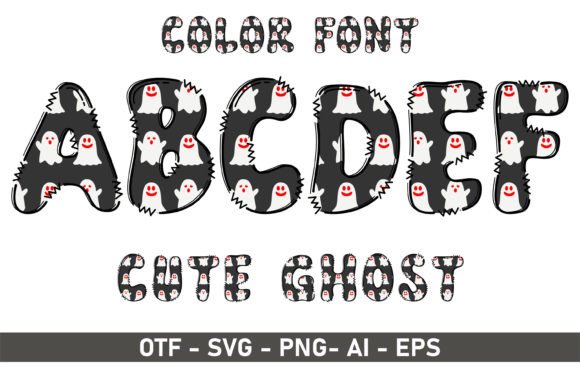
Cute Ghost: A Playful Font for Unforgettable Designs
There’s a certain magic in a font that doesn’t take itself too seriously. It’s the kind of typeface that makes you smile before you’ve even read the words, one that feels friendly, approachable, and a little bit whimsical. That’s the essence of a creative font like Cute Ghost. It’s not just a collection of letters; it’s a design asset with personality, built to inject a sense of fun and artistic flair into a wide range of projects. Whether you’re crafting a brand identity for a children’s line, designing social media graphics that pop, or creating invitations that set a joyful tone, the right playful display font can make all the difference.
A Typeface That Tells a Story
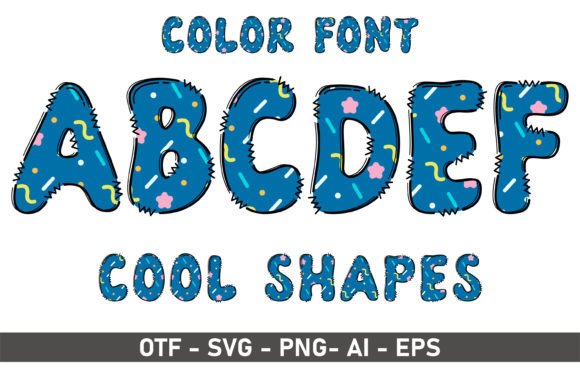
What sets a font like this apart is its visual character. Often featuring rounded terminals, slightly uneven baselines, and charmingly irregular shapes, it avoids the rigid perfection of more traditional serif or sans serif fonts. This organic quality makes it feel handmade and authentic. It’s a typeface that feels right at home in contexts where warmth and creativity are paramount. Think of the engaging typography in a beloved children’s book, the eye-catching lettering on a craft fair poster, or the playful logo for a boutique bakery. This style of modern typography communicates approachability and imagination instantly.
The practical applications for such a versatile display font are extensive. For entrepreneurs and small business owners, it can become a cornerstone of your brand identity. Using it consistently across your logo, packaging, and website headers helps build recognition and conveys a specific, friendly brand personality. Content creators and bloggers can leverage its charm to make headings stand out, create compelling Pinterest graphics, or design digital products like printable planners and worksheets that feel joyful to use. In marketing, it’s perfect for campaigns targeting families, promoting fun events, or advertising products where a lighthearted tone is key. The goal is always to match the font’s personality with your project’s message.
From Digital Screens to Physical Crafts
One of the most critical aspects of choosing a premium font for any project is understanding its technical compatibility. A common hurdle crafters and designers face is ensuring their chosen typeface works seamlessly with their tools. For instance, a black version of a font is typically designed for maximum compatibility, working smoothly with popular cutting machine software like Cricut Design Space and Silhouette Studio. This allows you to create stunning vinyl decals, custom apparel, and intricate paper crafts without a hitch.
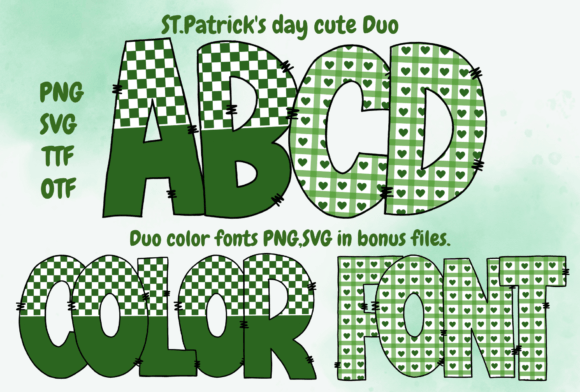
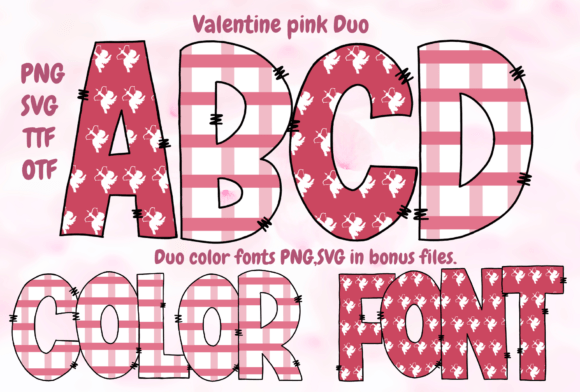
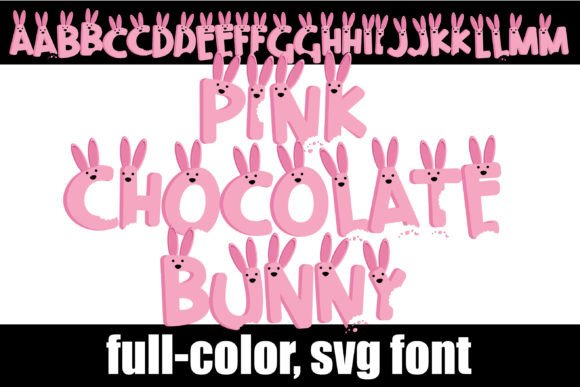
However, the vibrant color versions of these creative fonts—which might include built-in textures, gradients, or multi-colored layers—operate differently. These advanced typographic designs are often only compatible with professional design programs such as Adobe Photoshop, Adobe Illustrator, and Inkscape. The reason is that these programs have the advanced rendering engines needed to display the complex color data within the font file itself. This is a vital detail to remember during your design process. Always check the font’s specifications to ensure it aligns with the software you plan to use, whether for digital design or physical crafting. A helpful resource like an Ultimate Font Guide can provide invaluable clarity on these technical nuances.
Practical Tips for Pairing and Presentation
Introducing a strong display font like Cute Ghost into your designs requires a thoughtful approach to typography to maintain professionalism and readability. Here are some practical recommendations:
- Use it for Impact, Not Body Text. This style shines in headlines, logos, and short calls-to-action. For longer paragraphs of text, pair it with a highly legible serif or sans serif font to ensure your message is easily read.
- Test Your Font Pairings. Create mockups to see how your headline font interacts with your body copy font. The contrast should be harmonious, not jarring. A playful script or handwritten font often pairs well with a simple, clean sans serif.
- Consider Your Audience. While its whimsical nature is engaging, ensure it aligns with your audience’s expectations. It’s perfect for children’s products, family-oriented brands, and casual lifestyle blogs, but might be less suitable for a corporate law firm.
- Review All Included Styles. Many premium fonts come with multiple weights or stylistic alternates. Explore these options. You might find a slightly different version of a letter that better suits your layout or adds a unique touch.
- Clarify Commercial Licensing. Before using any font in a commercial project—whether for client work, merchandise, or digital products—confirm that your license permits it. This protects your business and respects the font creator’s work.
Ultimately, the power of a distinctive typeface lies in its ability to communicate a feeling at a glance. By thoughtfully integrating a font with this much personality, you can elevate your visual consistency, strengthen brand recognition, and create designs that don’t just look good, but feel genuinely engaging. It’s about choosing a design asset that works as hard as you do to tell your unique story.