Love Me: A Font That Brings Personality to Every Project
There’s a certain magic in typography that goes beyond just spelling out words. Some typefaces carry an immediate emotional weight, a personality that speaks before the reader even processes the letters. That’s exactly what happens when you work with a font like Love Me. It’s not just a collection of glyphs; it’s a design statement. For anyone crafting a brand, designing a poster, or creating digital content, choosing a typeface with this much character can be the difference between a project that feels generic and one that truly connects.
So, what makes a font like this stand out? It often comes down to its visual style. Love Me typically belongs to the category of display fonts or script fonts, designed to be used at larger sizes where its details can shine. Think of it as the headline act, not the body text workhorse. Its forms might be inspired by hand-lettering, giving it an organic, handwritten font feel that feels personal and approachable. This kind of modern typography avoids the cold precision of some sans serif fonts and instead offers warmth and creativity.
Where a Font Like This Truly Shines
The real value of a premium font like Love Me is its versatility across creative applications. Its playful or artistic vibe makes it a natural fit for projects aiming to evoke joy, creativity, or a touch of whimsy. This isn't a font for legal contracts or technical manuals. It's for the moments where you want to capture attention and spark emotion.
Consider its role in brand identity. For a small business—a bakery, a boutique florist, a creative studio—using Love Me in the logo or on packaging can instantly communicate the brand's personality. It tells customers, "We're creative, we care about details, and we're here to delight you." This creative font becomes a key part of the visual language, helping with brand recognition in a crowded marketplace.
Beyond logos, its applications are wide-ranging:
- Packaging Design: Imagine this font on a product label for artisanal goods, a gift box, or a shopping bag. It adds perceived value and charm.
- Social Media Graphics: In a fast-scrolling feed, a distinctive script font or bold display type can stop thumbs. Use it for quote graphics, sale announcements, or Instagram story headers to boost audience engagement.
- Invitations & Greeting Cards: This is a perfect home for Love Me. Wedding invites, birthday cards, and event posters benefit enormously from a typeface that feels celebratory and custom.
- Editorial Layouts & Blogs: Use it for pull quotes, chapter titles in a book, or blog post headers to add visual interest and break up long blocks of text, improving the overall readability experience by guiding the eye.
- Merchandise & Print Materials: From t-shirt designs to tote bags, posters, and flyers, a commercial font with this personality helps merchandise stand out and feel special.
Making It Work: Practical Typography Tips
Finding a great font is step one. Using it effectively is where the real craft comes in. A display font like Love Me is powerful, but it requires thoughtful application to achieve a professional presentation.
First, consider font pairing. This is crucial. Because Love Me has such a strong personality, it often works best when paired with a simpler, more neutral counterpart. A clean sans serif font or a classic serif font can provide balance, ensuring your body text remains easy to read while your headlines pop. Test combinations to see what feels harmonious for your specific project.
Next, think about context and readability considerations. While perfect for a headline, using a ornate script font for an entire paragraph would be exhausting for readers. Reserve Love Me for short, impactful text: titles, logos, single words, or short phrases. Always view your design at the intended size—what looks stunning on a large poster might lose clarity when scaled down for a mobile screen.
It’s also wise to review the font styles included in the package. Many premium fonts come with alternates, ligatures, or stylistic sets. These extras allow you to customize the look, swapping out a particular letterform to better fit your design or avoid repetition. This level of detail is what separates a generic use from a truly integrated design.
Finally, don’t overlook licensing. If you're using the font for client work or commercial products, ensure you have the appropriate commercial font license. This is a standard part of working with design assets and protects both you and the font creator.
Beyond the Black and White: Understanding Font Formats
A practical note for crafters and designers working with cutting machines or specific software: font compatibility is key. Often, a font like Love Me will come in different versions. The standard black version is typically a vector-based OTF or TTF file compatible with a wide range of software, including popular programs like Cricut Design Space, Silhouette Studio, and Inkscape.
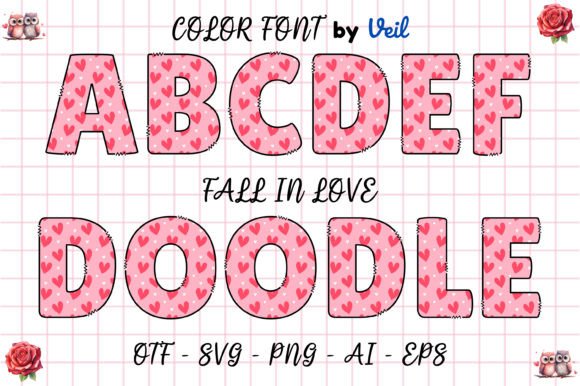
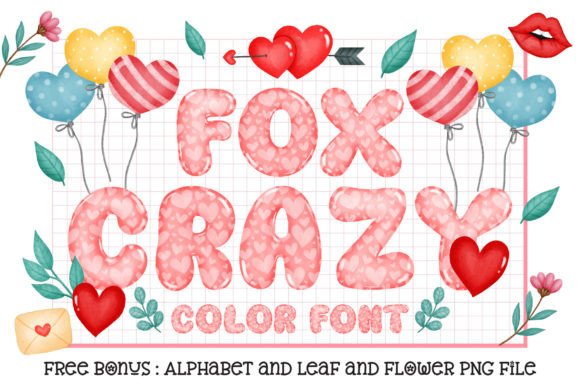
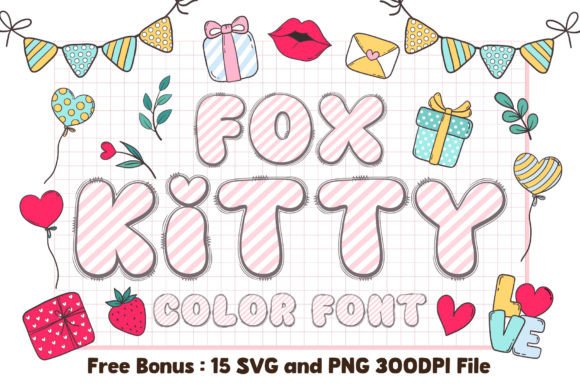
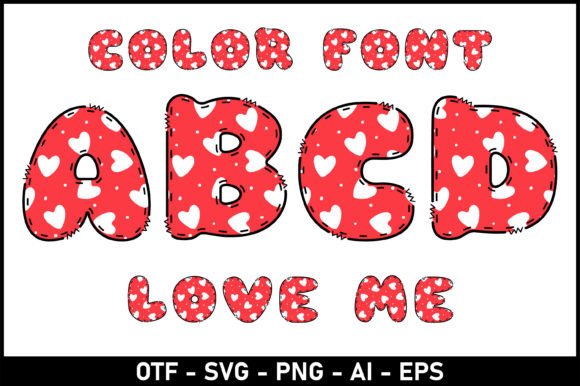
However, you might encounter a color version—a multi-colored or textured font that uses advanced OpenType features. These are fantastic for digital designs but have specific requirements. This color version is usually only compatible with advanced design programs like Adobe Photoshop, Illustrator, and certain versions of Silhouette Studio. The files for this version are not compatible with Cricut. This is an important distinction for crafters. Before purchasing or starting a project, always check the font’s specifications and, if available, consult the creator’s Ultimate Font Guide for clear usage instructions. Knowing this upfront saves time and ensures your creative vision translates perfectly from screen to final product.
In the end, a font is a tool for communication. Love Me offers a specific voice—one that’s artistic, engaging, and full of personality. By understanding its strengths, pairing it wisely, and applying it to the right contexts, you can leverage this typeface to create designs that don’t just look good, but feel right. It’s about giving your projects a voice that people will want to listen to.