Why Coconut is the Playful Font Your Creative Projects Deserve
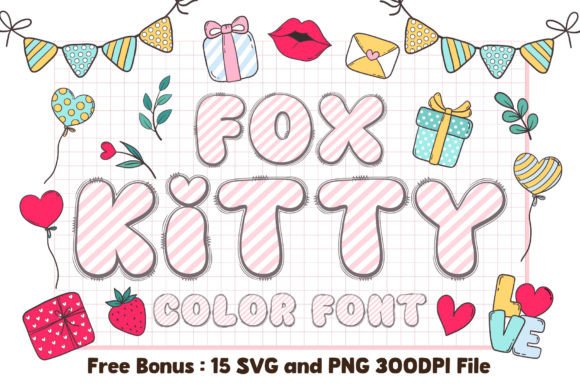
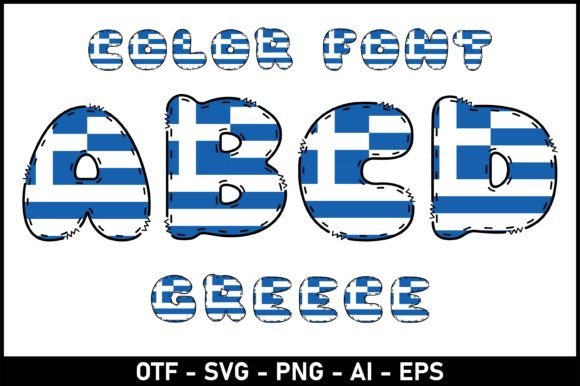
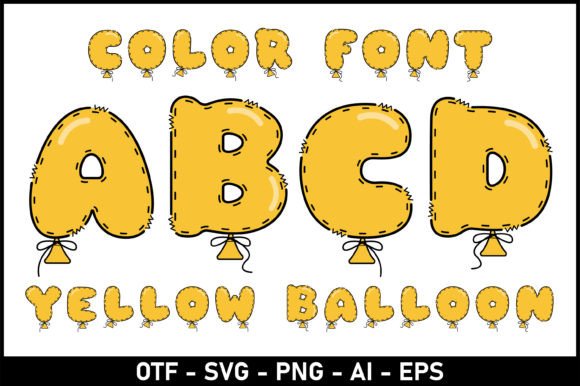
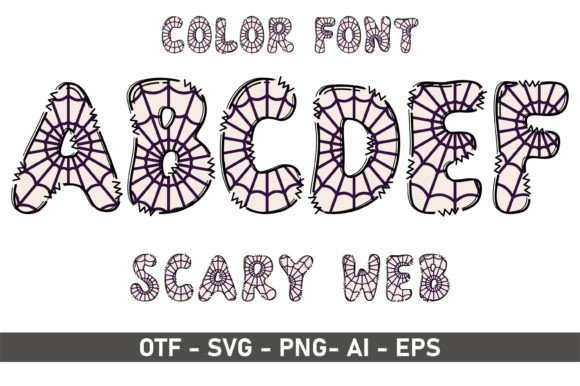
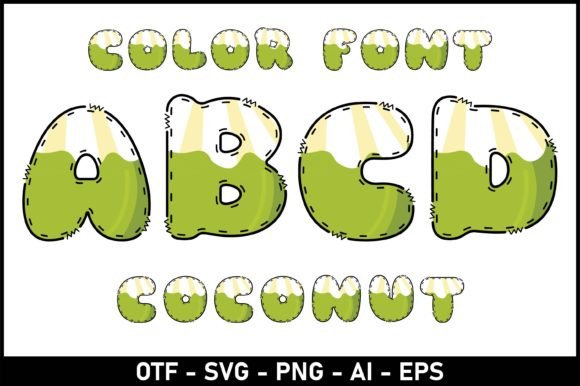
Let's be honest: the font you choose is the silent ambassador of your brand's personality. It can whisper sophistication, shout excitement, or, in the case of something like the Coconut typeface, giggle with unapologetic charm. This isn't just another display font; it's a vibe. Crafted with a whimsical, rounded aesthetic, it immediately evokes feelings of fun, approachability, and creativity. The slightly uneven, hand-lettered quality gives it a human touch that sterile, corporate fonts often lack, making it a fantastic creative font for projects that need to connect on an emotional level. It’s the typographic equivalent of a friendly smile.
More Than a Pretty Face: Strategic Applications for a Whimsical Typeface
While its personality is clear, the real magic of a premium font like this lies in its strategic application. It’s not about using it everywhere, but about using it where it will have the most impact. Think of it as a powerful tool in your design assets kit, perfect for specific jobs.
- Logo Design & Brand Identity: For brands targeting families, children, creative services, or lifestyle markets (think bakeries, craft stores, or boutique agencies), a playful typeface can become the cornerstone of a memorable brand identity. It instantly communicates a friendly, less formal tone.
- Packaging & Merchandise: On product packaging, especially for food, cosmetics, or artisanal goods, it can create a warm, handcrafted feel. Imagine it on a coffee bag label or a candle jar—it tells a story of care and personality. It also shines on merchandise like tote bags, mugs, and t-shirts.
- Invitations & Greeting Cards: This is its natural habitat. Whether for a child's birthday party, a baby shower, or a casual get-together, the font sets a joyful, inviting mood from the very first glance.
- Editorial & Publishing: As noted, children’s books are a prime example. Its readability and engaging character make stories come alive. It also works beautifully for chapter titles in lifestyle magazines or blog headers for creative niches.
- Digital Presence: Use it strategically for website headers, blog post titles, or call-to-action buttons to break up visual monotony. On social media graphics, it can make quotes, announcements, or promotional posts stand out in a crowded feed, boosting audience engagement.
Pairing for Polish: How to Use Coconut Without Overdoing It
The biggest mistake with a distinctive font is overuse. Its charm can quickly become overwhelming. The key to professional presentation is balance through thoughtful font pairing.
Think of your playful font as the lead singer. It needs a solid, reliable band behind it. A clean, neutral sans serif font or a classic serif font makes an excellent partner for body text. For example:
- Playful + Clean: Pair a whimsical header with a font like Lato or Open Sans for paragraphs. This maintains readability while letting the display font do its job.
- Playful + Elegant: For a more sophisticated yet still approachable look, combine it with a simple serif like Lora or Merriweather. This works well for wedding invitations or boutique branding.
- Playful + Script: Use caution here. If the font itself has a script font or handwritten font quality, pairing it with another script can create chaos. Instead, let it stand alone as the primary decorative element.
Always test your pairings in context. Create a mock-up of your website header, your product label, or your social media post. Does the combination feel harmonious? Is the body text easy to read at a glance? This testing phase is non-negotiable for great web design and packaging design.
From Digital to Print: Ensuring Versatility and Clarity
A common concern with decorative fonts is their performance across different media. A well-designed typeface like this should include multiple styles to enhance its utility. Look for variations that might include:
- A slightly bolder weight for stronger emphasis.
- Alternate characters or stylistic sets for custom lettering.
- Extended language support for global projects.
This versatility is crucial for maintaining visual consistency across all your marketing assets, from a digital ad to a printed flyer. When evaluating a commercial font, always review the full character set and included styles. Furthermore, never skip the licensing review. Ensure the license covers all your intended uses, whether for a personal blog or for products you sell, to avoid legal headaches down the road.
Choosing Your Creative Companion
Selecting a font is ultimately a choice about the story you want to tell. A whimsical, rounded display font isn't for a law firm's annual report, but it's perfect for a daycare center's new brochure, a podcast about creativity, or a line of organic baby food. It brings a specific energy that can transform a project from merely informational to genuinely engaging.
Before you decide, ask yourself: Does this font's personality align with my project's goals and my audience's expectations? Does it solve a visual problem, like making a brand feel more approachable or a design more joyful? If the answer is yes, then exploring its potential could be the step that elevates your work, creating a lasting and delightful impression. After all, in a world of serious typefaces, a little coconut-inspired fun might be exactly what your design needs to be remembered.