Bauhaus Geometric: A Playful Typeface for Creative Projects
There's a certain magic that happens when you find a font that feels like it was made for your project. You know the one—it clicks immediately, capturing the exact mood you were going for without you having to explain it. That’s the kind of connection many designers and creators feel when they discover a typeface with a strong, playful personality. It’s not just about letters on a page; it’s about setting a tone, telling a story, and creating an instant emotional connection with your audience. For projects that need to feel energetic, artistic, and a little bit whimsical, the right typography can be your most powerful tool.
Capturing a Whimsical and Artistic Vibe
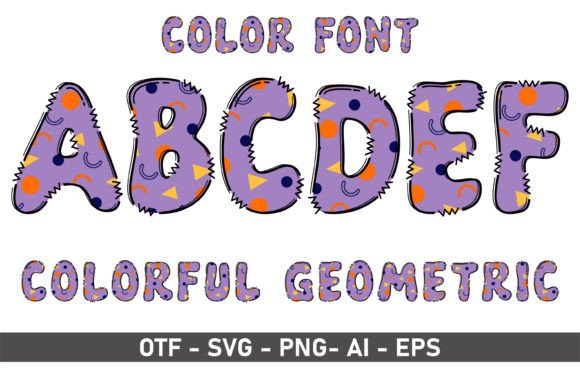
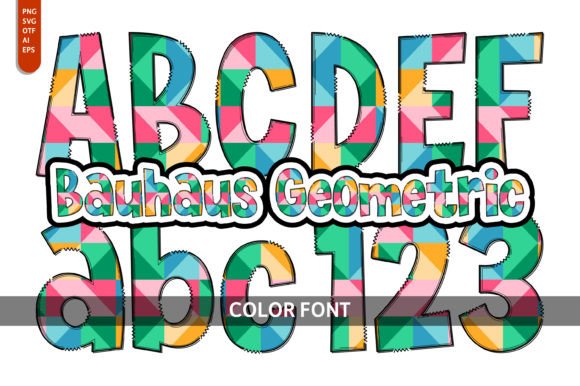
Imagine a font that doesn’t just sit quietly on the page but actively participates in the design. This is where a typeface with a geometric and playful character shines. Its forms are often built from clean, simple shapes—circles, triangles, squares—but arranged in a way that feels fun, approachable, and full of personality. This makes it incredibly versatile for any project aiming for a joyful or artistic feel. Think of the cover of a beloved children’s book, where the title needs to be inviting and easy to read. Or consider a vibrant poster for a community art fair, where the typography itself becomes part of the artwork, drawing the eye with its colorful, engaging forms.
The real strength of this style lies in its ability to be both distinctive and highly legible. While some overly decorative fonts sacrifice readability for flair, a well-crafted playful geometric font maintains clarity. This balance is crucial for creating an engaging reading experience, especially for young audiences or in busy designs like greeting cards and party invitations where you want the message to be understood at a glance. It’s a premium font choice that feels intentional, helping to elevate a project from simple to memorable without overwhelming the core content.
Practical Applications Across Your Creative Work
So, where exactly can you put a font like this to work? Its applications are surprisingly broad, fitting seamlessly into both digital and print realms. For branding and logo design, it can be a game-changer for businesses targeting families, creative services, or lifestyle brands. A bakery specializing in fun, custom cakes or a children’s boutique could use it to build a brand identity that feels friendly and unique. It instantly communicates a certain warmth and creativity that more traditional serif or sans serif fonts might not.
Beyond logos, consider its role in packaging design. On a shelf crowded with competitors, a product using a colorful, whimsical typeface for its name or tagline can catch a parent’s eye immediately. It suggests the product inside is just as fun and approachable. The same principle applies to social media graphics and web design. In a fast-scrolling feed, a bold, playful headline can stop thumbs and increase engagement. It’s perfect for announcing sales, promoting a new blog post about a creative project, or creating eye-catching Instagram Stories for a craft business.
For physical projects, the value is just as clear. Invitations for a child’s birthday party, a baby shower, or a casual wedding benefit from a font that sets a celebratory and light-hearted tone. Posters for local events, greeting cards, and even merchandise like tote bags or t-shirts can leverage its artistic flair to create items people genuinely love to use and display. It’s a creative font that serves as a foundational design asset, helping to unify the look and feel across all your marketing materials and products.
Choosing and Pairing for Maximum Impact
Adopting a new font into your toolkit is exciting, but a little strategy goes a long way. First, consider the specific style within the font family. Does your project call for the bold impact of a heavy weight, or the delicate charm of a light one? Review all the included styles to see how they can work together—perhaps using a bold weight for main headlines and a regular weight for subheadings to create a clear visual hierarchy.
One of the most common questions is about font pairing. A display font with a strong personality, like a playful geometric one, often works best when balanced with a more neutral companion. Try pairing it with a clean, simple sans serif font for body text. This ensures your paragraphs remain easy to read while your headlines pop. For example, a whimsical header font over a straightforward sans serif in a brochure creates a dynamic yet professional presentation. Avoid pairing it with another highly decorative script or handwritten font, as they can compete for attention and create visual chaos.
Readability considerations are paramount. Always test your chosen font at the size it will be used. A font that looks charming in a large headline might become difficult to decipher at 10 points in a paragraph. Its true strength is in display sizes—headlines, titles, logos, and short calls-to-action. For longer blocks of text, stick to your paired neutral font. This practical approach ensures your designs are not only beautiful but also functional and effective at communicating your message.
An Important Note on Compatibility and Licensing
Before you dive into your next project, there’s a crucial technical detail to understand. Many modern, colorful fonts are developed as OpenType-SVG color fonts. This is what allows them to have those beautiful, built-in gradients and multi-color effects that make them so special. However, this advanced format has specific software requirements. They are fully compatible with professional design applications like Adobe Photoshop, Illustrator, and Inkscape, as well as cutting software like Silhouette Studio.
It’s essential to know that these color font files (the OTF and/or TTF) are not compatible with Cricut Design Space. If you are a crafter using a Cricut machine, you would need to use the font in a compatible program like Inkscape to create your design, and then export it as a compatible file type (like an SVG or PNG) for your Cricut to cut. Always check the product details and any provided Ultimate Font Guide for specific instructions on how to get the most out of your purchase and ensure a smooth workflow in your preferred software.
Finally, always be mindful of commercial licensing. Most premium fonts come with a license that outlines how you can use them. Typically, a standard license covers use in digital and physical end products for sale, like logos, merchandise, and marketing materials. However, it’s a good habit to review the license agreement to ensure it covers your specific intended use, especially for large-scale projects or if you are purchasing for a client. This simple step protects you legally and respects the work of the typeface designer.
In the end, selecting a font is a creative decision that shapes how your audience perceives your work. A typeface that embodies a playful, geometric spirit offers a fantastic way to inject personality, color, and a sense of fun into a wide array of projects. By understanding its strengths, pairing it wisely, and respecting its technical boundaries, you can harness its full potential to create designs that are not only visually striking but also deeply engaging and effective.