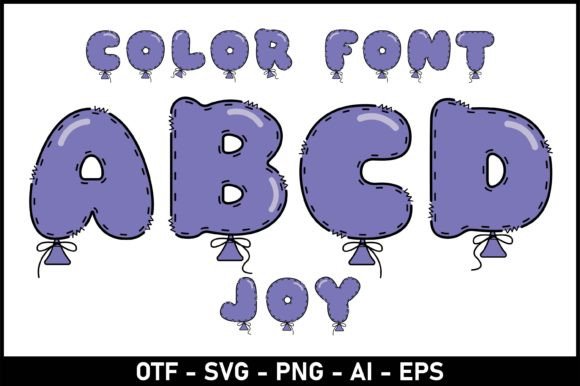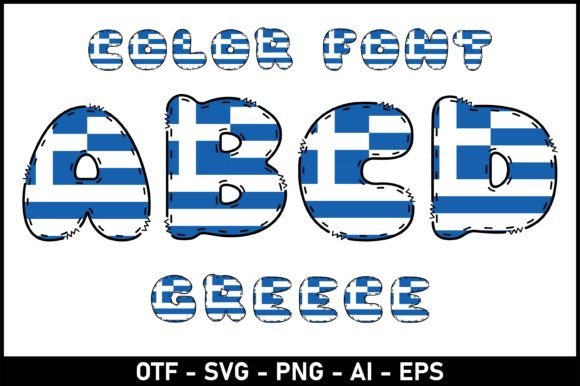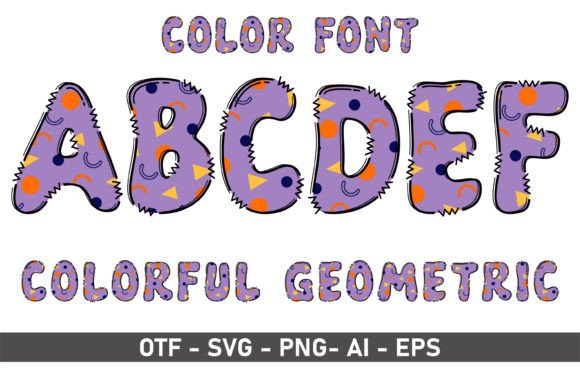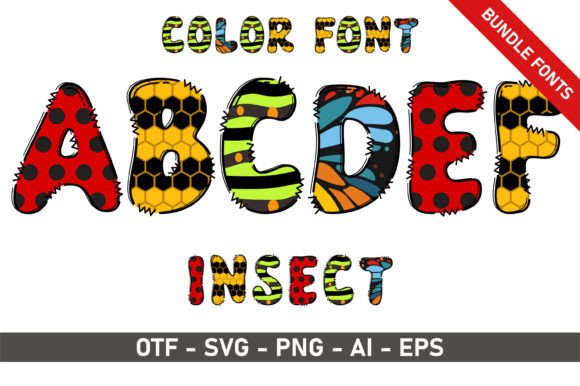
Winter Tree: A Playful Typeface for Creative Projects
There's a certain magic to designs that feel both artistic and approachable—the kind that makes you stop scrolling and actually look. Whether you're crafting a children's book cover, designing a whimsical wedding invitation, or building a brand identity that feels friendly and creative, the typography you choose sets the entire mood. This is where a font like Winter Tree enters the conversation, offering a distinctive personality that balances playfulness with clarity.
Understanding the Font's Visual Character
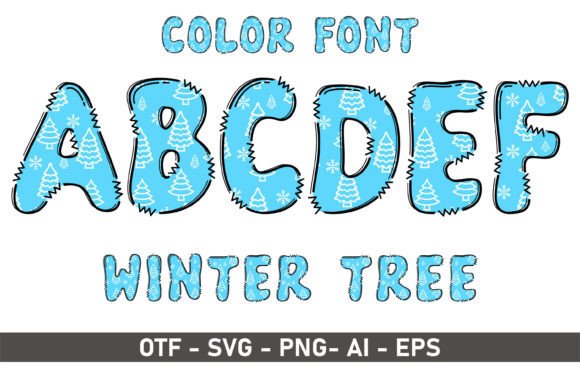
Winter Tree is a display typeface designed to evoke warmth, creativity, and a handcrafted sensibility. Its letterforms carry organic curves and slightly irregular shapes that mimic the natural flow of hand-drawn lettering, giving any project an immediate sense of authenticity. Unlike rigid geometric fonts, this typeface embraces imperfection in a way that feels intentional and inviting.
What makes it particularly versatile is that it doesn't lean too far into childish territory. While it absolutely works for younger audiences, its sophistication allows it to cross over into adult-oriented projects—think artisan product packaging, boutique branding, or editorial layouts for lifestyle magazines. The font strikes a balance that many designers struggle to find: it's expressive without being chaotic, and playful without sacrificing professionalism.
One important detail worth noting is the distinction between its black and color versions. The black version of Winter Tree is fully compatible with Cricut Design Space and other cutting machines, making it an excellent choice for crafters who create physical products like vinyl decals, heat transfers, and paper crafts. The color version, however, works with specific design programs including Photoshop, Illustrator, Silhouette, and Inkscape, but isn't compatible with Cricut. If you're planning to use this font for both digital design and physical crafting, understanding this compatibility difference will save you frustration down the road.
Where This Typeface Truly Shines
Think about the last time a piece of packaging caught your eye at a store. Chances are, the typography played a significant role. Fonts like Winter Tree work beautifully for small-batch food products, handmade cosmetics, or specialty gift items because they communicate care and craftsmanship before the customer even reads the label.
For social media content creators, this font offers a refreshing alternative to the overused script fonts flooding Instagram and Pinterest. It photographs well, maintains its character at various sizes, and adds visual interest to quote graphics, story templates, and promotional posts. When paired with clean sans serif fonts for body text, it creates a dynamic hierarchy that guides the viewer's eye naturally.
Children's book illustrators and publishers will find this typeface especially useful. Young readers benefit from letterforms that are distinct and easy to decode, and Winter Tree delivers that readability while maintaining the whimsical energy that makes story time engaging. The slightly bouncy baseline and varied stroke widths keep young eyes interested without creating confusion between similar letters.
Beyond these obvious applications, consider using it for:
- Event invitations and greeting cards that need personality
- Blog headers and website accents that break visual monotony
- Logo design for creative businesses, studios, or children's brands
- Merchandise like tote bags, mugs, and t-shirts
- Digital products such as printable wall art, planners, and worksheets
- Marketing assets including flyers, brochures, and email headers
Practical Tips for Working With Creative Fonts
Choosing a font is only half the battle—using it effectively is where the real skill lies. Here are some grounded recommendations for getting the most out of a typeface like Winter Tree.
Pair it wisely. Display fonts with strong personalities need a calm counterpart. Try matching Winter Tree with a simple, geometric sans serif for body copy. The contrast creates visual tension that keeps layouts dynamic while ensuring longer text remains readable. Avoid pairing it with other decorative fonts, as competing styles create visual noise rather than harmony.
Consider your context. A font that works beautifully on a wedding invitation might feel out of place on a financial report. Before committing to any typeface, ask yourself whether its personality aligns with your project's goals and audience expectations. Winter Tree thrives in contexts where warmth, creativity, and approachability are valued—less so in corporate or highly technical environments.
Test at multiple sizes. Display fonts often look stunning at large sizes but lose their charm when scaled down. Always preview your chosen typeface at the actual size it will appear in your final design. Check readability on both desktop and mobile screens if the project is digital, and print physical proofs for anything going to press.
Review the included styles. Many premium fonts come with multiple weights, alternates, or stylistic variations. Take time to explore everything included in your font files. You might discover alternate letterforms that solve specific design problems or decorative characters that add exactly the flourish your project needs.
Don't overlook licensing. If you're using this font for commercial purposes—selling products, creating client work, or publishing content—make sure your license covers that use. Most quality font foundries offer clear licensing terms, and respecting them protects both you and the type designer who created the work.
Building Brand Recognition Through Thoughtful Typography
Consistency is the backbone of effective branding, and typography is one of the most powerful tools for achieving it. When a business uses the same typeface across its logo, website, packaging, and social media, it creates a visual thread that customers begin to recognize subconsciously. That recognition builds trust over time.
A font like Winter Tree can become a signature element for brands that want to communicate creativity and approachability. Imagine a children's clothing line that uses this typeface across hang tags, website navigation, and Instagram stories. Or picture a bakery whose menu boards, loyalty cards, and online ordering page all feature the same distinctive lettering. These details compound into a cohesive brand experience that feels intentional and memorable.
The key is restraint. Use your chosen display font for headlines, logos, and accent elements—not for paragraphs of text. Reserve body copy for highly legible serif or sans serif typefaces, and let your creative font do what it does best: grab attention and set the mood.
Typography might seem like a small detail, but it carries enormous weight in how your audience perceives your work. Choosing fonts that align with your project's personality, testing them thoroughly in real-world applications, and using them consistently across touchpoints—these practices separate amateur designs from professional ones. A typeface like Winter Tree gives you a strong foundation for projects that need to feel both creative and polished, whether you're designing for screen, print, or the craft table.