Golden Bell: A Playful Typeface for Creative Projects
There’s a certain magic that happens when you find a font that perfectly captures the spirit of a project. It’s the difference between a design that feels flat and one that sings with personality. For creators working on projects meant to delight, inform, or inspire a sense of wonder—whether for young readers, a vibrant brand, or a festive invitation—the typeface you choose is the voice of your message. This is where a font like Golden Bell steps in, offering a distinct blend of whimsy and clarity that can transform your creative work.
Understanding the Golden Bell Aesthetic
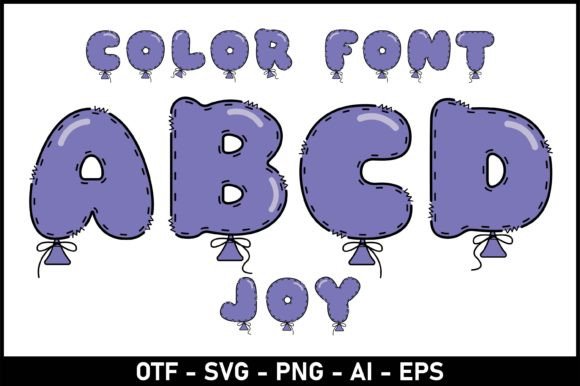
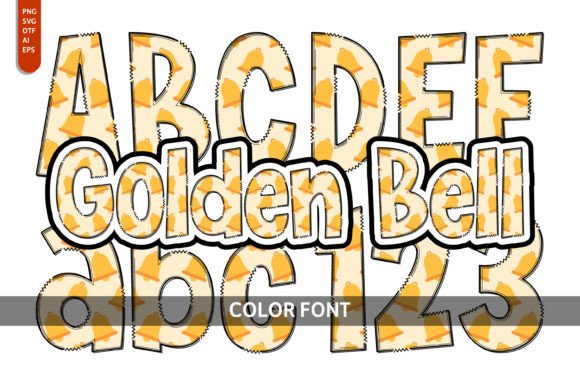
Golden Bell is a premium font that belongs to the creative font category, often characterized as a playful serif or a stylized display typeface. Its visual appeal lies in its carefully crafted details. The letterforms often feature soft, rounded terminals, gentle curves, and a balanced weight that feels friendly and approachable without sacrificing readability. Unlike a stark sans serif font or a traditional serif font, Golden Bell brings a handcrafted, artistic feel. It’s the kind of typeface that suggests storytelling, creativity, and a touch of joy. Think of the cheerful lettering on a beloved children’s book cover, the inviting text on a bakery’s packaging, or the energetic headlines on a party planner’s website. The font’s design prioritizes engagement, making it an excellent choice for any context where you want to connect with your audience on a more emotional, less formal level.
Practical Applications for Designers and Businesses
The true value of any design asset is its versatility. Golden Bell shines across a wide spectrum of projects, making it a valuable addition to a designer’s toolkit or a business owner’s brand identity system.
Building a Memorable Brand Identity
For small businesses, especially those in the creative, lifestyle, or family-oriented sectors, a unique visual identity is crucial. A font like Golden Bell can become the cornerstone of your brand’s personality. Imagine using it for your logo design—it immediately communicates creativity and approachability. This consistency extends to all your marketing materials: business cards, letterheads, email newsletters, and social media graphics. When your audience sees that distinctive, playful lettering, they begin to associate it with your brand’s values, boosting brand recognition significantly. It works beautifully for brands like boutique toy stores, independent bookshops, artisan food producers, or creative workshops.
Enhancing Print and Digital Collateral
Beyond the logo, this creative font finds its home in numerous applications. In packaging design, it can make a product stand out on the shelf, telling a story before the customer even reads the description. For editorial design, such as magazine layouts or blog headers, Golden Bell can draw readers into an article with an engaging headline. It’s equally effective for social media graphics, where a scroll-stopping visual is key—think Instagram quotes, Facebook event announcements, or Pinterest pins for DIY projects. The font’s readability at various sizes makes it suitable for both large poster text and smaller informational blocks on a website, provided it’s used thoughtfully.
Matching Typography to Your Project’s Goals
Choosing the right font is a strategic decision, not just an aesthetic one. The personality of your typeface must align with the message you wish to convey. Golden Bell is a fantastic tool for specific goals, but understanding how to deploy it is what separates good design from great design.
When to reach for this playful serif: Your project aims to evoke happiness, nostalgia, creativity, or childhood wonder. You’re designing for an audience that appreciates artistry and approachability. The context is celebratory, such as invitations, greeting cards, or event posters. You need a display font for headlines and titles that commands attention in a friendly way.
When to consider a pairing or alternative: For body text in long-form documents, a simpler sans serif font or a highly readable serif font is usually a better choice to avoid reader fatigue. Golden Bell’s strength is in its display quality. A classic design principle is to pair a decorative font like this with a more neutral, complementary typeface. For example, you could use Golden Bell for all your headings and subheadings, and pair it with a clean, modern sans serif for paragraphs and captions. This creates a visual hierarchy that is both engaging and easy to navigate. Always test your font pairings in the actual design context to ensure they harmonize rather than compete.
Key Considerations for Professional Use
Before integrating any new typeface into your workflow, especially for commercial projects, a few practical checks are necessary. This due diligence ensures your designs are both beautiful and legally sound.
- Review the Font Family: Does the premium font come with multiple styles? Check if Golden Bell includes variations like bold, italic, or light. A robust font family offers more flexibility, allowing you to create emphasis and hierarchy within your designs while maintaining perfect visual consistency.
- Test for Readability: While the font is designed to be easy to read, always test it at the sizes you intend to use. A whimsical script font that looks stunning as a 72pt headline might become illegible at 10pt for a caption. Print a test page and view a digital mock-up on different devices.
- Understand the License: This is non-negotiable for any commercial font. Verify the licensing terms. A standard desktop license covers use in logos, prints, and merchandise for a single user or a specified number of computers. If you plan to use the font on a website via @font-face, you may need an additional webfont license. If you’re creating a digital product for sale (like a printable PDF) that includes the font, an extended license is often required. Always read the End User License Agreement (EULA) provided by the foundry or distributor.
Ultimately, a typeface like Golden Bell is more than just a collection of letters; it’s a design asset that carries mood and meaning. By understanding its visual characteristics, applying it to the right projects, and pairing it intelligently with other typefaces, you can harness its potential to create work that is not only professional but also deeply engaging. It’s about giving your project a voice that resonates with your audience and leaves a lasting, positive impression.