The Sweet Appeal of Strawberry Donut: A Font for Playful Designs
You know that feeling when you walk into a bakery and everything just looks... happy? The pink frosting, the sprinkles, the rounded edges of a fresh donut sitting in the case. That's the exact energy the Strawberry Donut font brings to a design project. It's not trying to be serious or corporate. It's here to have fun, to invite people in with a warm, approachable vibe that feels like a treat. If you've ever struggled to find a typeface that genuinely captures a sense of whimsy without looking childish or cheap, this might be the creative asset you've been searching for.
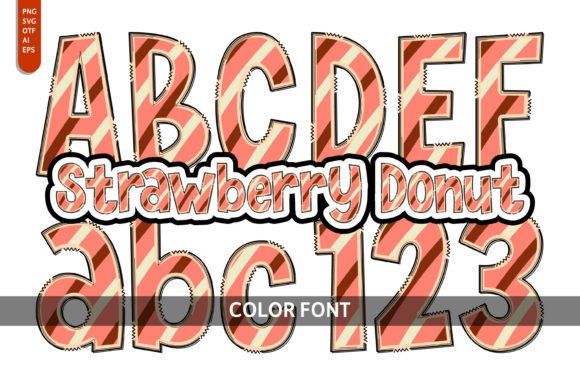
At its core, Strawberry Donut is a display font, which means it's designed for impact rather than body text. Think of it as the headline act, not the supporting cast. Its letterforms are round, soft, and often feature a slight bounce or unevenness that mimics the charm of hand-lettering. This isn't a stiff, geometric sans serif. It has personality baked right in. The "strawberry" part of the name hints at its color palette potential—imagine pairing it with pastel pinks, creams, and a pop of red—but its versatility goes beyond just one flavor. It's a premium font that feels accessible, making it a smart choice for anyone who wants to inject some joy into their visual communication.
Where Playful Typography Truly Shines
So, where does a font like Strawberry Donut actually work? Its sweet spot is any project that needs to connect with an audience on an emotional, rather than purely informational, level. Let's break down some real-world applications where this typeface can do the heavy lifting for you.
For branding and logo design, especially for businesses targeting families, children, or anyone with a sweet tooth, this font is a natural fit. Picture a local bakery, a kids' clothing line, a party planning service, or a whimsical stationery brand. Using Strawberry Donut in the logo instantly communicates a friendly, approachable identity. It tells customers, "We're here to make things fun." It works beautifully in packaging design too—think of the label on a jar of artisanal jam, a box of cupcakes, or a bag of gourmet popcorn. The font's playful curves make the product feel handcrafted and special.
Moving into the digital space, this typeface is a powerhouse for social media graphics and web design. In a crowded Instagram feed, a post set in Strawberry Donut stops the scroll. It's perfect for announcements, quotes, sale promotions, or story highlights where you want to convey excitement. On a website, use it for headings, call-to-action buttons, or hero text to break the monotony of standard web fonts. It adds a layer of visual interest that keeps visitors engaged and makes the brand feel more human.
Don't overlook print materials and invitations. This is where the font truly comes alive. Designing a birthday party invitation, a baby shower card, or a flyer for a community fair? Strawberry Donut sets the tone immediately. It's also excellent for editorial layouts in magazines or blogs that focus on lifestyle, food, or family topics, where a touch of personality in the headers can define the entire aesthetic. Even for merchandise like t-shirts, tote bags, or mugs, this font can transform a simple phrase into a desirable design.
Pairing and Practicality: Making It Work for Your Project
Just because a font is fun doesn't mean you can throw it on any design and call it a day. Like any design asset, Strawberry Donut requires a bit of strategy to use effectively. The first rule of thumb with any display font is to use it sparingly. It's for headlines, titles, and short bursts of text, not for paragraphs. Its readability at small sizes is limited, so always pair it with a clean, legible serif font or sans serif font for body copy. A simple sans serif like Open Sans or a friendly serif like Lora can create a beautiful contrast that keeps the design balanced and professional.
Testing is non-negotiable. Before you commit, lay out your text with the actual words you plan to use. See how the letters interact. Does the spacing feel right? Does the word "strawberry" look as appealing as "donut"? Check the included font styles—many premium fonts come with multiple weights or stylistic alternates. Maybe there's a version with extra flourishes or a cleaner cut that suits your needs better. This is part of the creative process: experimenting to find the right fit.
And we need to talk about licensing. If you're using this for a personal project, like a birthday card for your niece, you're probably fine. But for commercial work—a logo for a client, packaging for a product you sell, or graphics for a monetized blog—you absolutely need to ensure you have the proper commercial license. Purchasing from a reputable source usually covers this, but it's your responsibility to read the terms. Using a font without the right license can lead to legal headaches down the road, and that's the opposite of the joyful feeling we're going for.
Beyond the Sprinkles: Building a Cohesive Visual Identity
The real power of a font like Strawberry Donut isn't just in its immediate charm; it's in its ability to contribute to a larger brand identity. When used consistently, it becomes a recognizable element of your visual language. Customers start to associate that particular style of lettering with your brand's personality—fun, creative, and trustworthy. This consistency across your logo design, website, social media, and packaging builds brand recognition far more effectively than constantly changing your style.
Think about how it can improve your professional presentation. A well-chosen, cohesive type system shows attention to detail. It tells your audience that you care about the experience, not just the transaction. For a small business owner or creative entrepreneur, this level of polish can set you apart from competitors who might use default fonts or mismatched styles. It's a subtle but powerful signal of quality.
Ultimately, choosing a font is about matching the tool to the goal. Strawberry Donut isn't the right choice for a law firm's annual report. But for a brand strategist helping a client launch a new line of organic baby food, or a content creator designing a YouTube thumbnail for a baking tutorial, it's a perfect match. It solves a specific problem: how to communicate warmth, approachability, and a bit of delight. In the world of modern typography, having a few reliable, personality-driven fonts in your toolkit isn't a luxury—it's a necessity for effective communication. This one just happens to come with a side of sweetness.