Unlocking Visual Brilliance with the Magic Wave Typeface
There is a moment in every design process where the typeface stops being just text and becomes a central character in the story. If you have ever stared at a blank canvas feeling like standard black text just isn't capturing the energy of your brand, you are likely looking for something with more personality. Enter the Magic Wave font—a typographic creation that doesn't just sit on the page but practically vibrates with life. This isn't your standard corporate typeface; it is a fully realized color font designed to inject immediate vibrancy and uniqueness into any project you touch.
The Allure of Integrated Color Typography
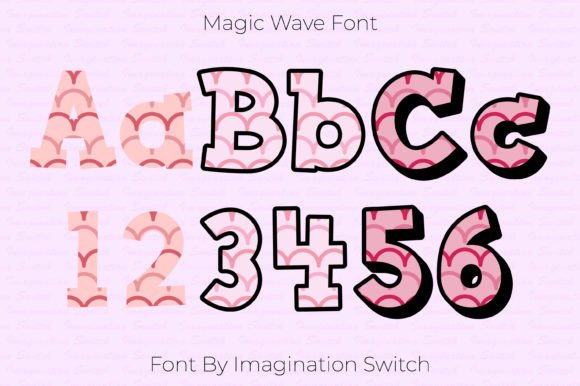
What separates a standard typeface from a premium font like Magic Wave? The answer lies in the meticulous integration of color directly into the character design. Traditional fonts rely on the software to apply color to the outline, but Magic Wave comes pre-designed with intriguing color gradients and combinations baked right into the file. When you install this font, you aren't just getting letters; you are getting a complete visual asset.
This design approach offers a level of visual appeal that is difficult to achieve manually without spending hours converting text to outlines and applying complex gradients. Each character has been crafted to ensure that the colors flow naturally, creating a mesmerizing effect. Whether you are using the uppercase letters for a bold headline or the lowercase characters for a stylized sub-header, the consistency of the design remains intact. It includes a full set of characters, numbers, and punctuation, meaning you aren't limited to a few decorative words—you can write full sentences and paragraphs with this unique flair.
For those worried about versatility, the designers have included a crucial feature: a solid black version. While the color version is the star of the show, having a monochromatic version ensures that you have a fallback for contexts where color isn't possible or appropriate. This dual-nature capability makes it a practical addition to any designer’s toolkit.
Real-World Applications: From Branding to Packaging
The true test of any creative font is how it performs in the wild. Magic Wave is versatile enough to handle a variety of applications, making it a valuable asset for entrepreneurs and designers alike. Its modern typography style bridges the gap between playful creativity and professional presentation.
Consider the impact on logo design. If you are launching a brand that wants to be seen as energetic, innovative, or youthful, a standard serif font might feel too stiff. Magic Wave allows you to create a wordmark that instantly communicates that energy. The built-in color helps with immediate brand recognition; people will remember the "colorful font" even if they forget the name initially.
Beyond logos, think about packaging design. On a crowded shelf, packaging needs to scream for attention. Using Magic Wave for the product name on a box or label can cut through the visual noise. Because the font is highly legible despite its decorative nature, it works well for front-of-pack typography where readability is paramount but style cannot be sacrificed.
For digital creators, the applications are endless:
- Social Media Graphics: Create thumb-stopping headers for Instagram stories or YouTube thumbnails. The colors in the font pop on screens, increasing engagement rates.
- Website Headers: Use it for hero text on a landing page to establish a mood immediately upon arrival.
- Digital Products: If you sell planners, stickers, or digital art, this font can add a premium, exclusive feel to your PDF downloads.
Technical Realities: Compatibility and Usage
While the aesthetic appeal of Magic Wave is undeniable, it is essential to understand the technical landscape of color fonts to avoid frustration. Color fonts operate differently than standard OTF or TTF files. Because they contain embedded bitmap or vector color data, not every software program can interpret them correctly.
It is vital to note the compatibility distinctions for this specific typeface:
- The Color Version: This is the version with the pre-baked colors. It works seamlessly with professional design software that supports COLR/CPAL or SVG font standards. This includes Adobe Photoshop, Adobe Illustrator, and Inkscape. It also works in cutting machine software like Silhouette Studio (specifically the Designer Edition or higher). However, it is not compatible with Cricut Design Space for the color version.
- The Black Version: For users of Cricut Design Space or other basic text editors, the solid black version is your go-to. It behaves like a standard font, allowing you to type freely and then apply your own colors or foil finishes if you wish.
If you are planning to use this for physical merchandise like t-shirts or mugs using a cutting machine, always test a sample text first. Ensure your specific version of the software supports the font format to guarantee that the colors transfer correctly to your design canvas. For a deep dive into managing these files, referring to a comprehensive font guide is highly recommended to navigate the nuances of SVG fonts.
Strategic Typography: Pairing and Professionalism
Using a display font like Magic Wave requires a bit of strategy. Because it is visually dense and colorful, it commands a lot of attention. In design theory, we often talk about hierarchy. Magic Wave is best used for headlines, logos, and call-to-action text. It is generally not recommended for long blocks of body copy, as the colors can become distracting and tire the eyes over large paragraphs.
To maintain a professional presentation, focus on font pairing. You want to balance the vibrancy of Magic Wave with something stable and clean. Consider pairing it with:
- A clean sans-serif font for body text (like Montserrat or Lato).
- A simple serif font for a more classic, editorial contrast.
- A neutral monospace font if you are going for a tech-forward aesthetic.
By pairing the decorative font with a simple companion, you ensure that your message remains readable while still enjoying the visual flair of the Magic Wave typeface. This balance improves audience engagement; they aren't overwhelmed by color everywhere, but they are intrigued by the strategic use of it in the headlines.
Furthermore, consider the context of your brand identity. If your brand colors are cool blues and greens, a font with warm reds and oranges might clash. However, because Magic Wave uses a specific palette, you should ensure your brand assets complement those hues. Alternatively, using the black version allows you to maintain the structural uniqueness of the letterforms while strictly adhering to your own color palette.
Final Thoughts on Creative Expression
Typography is one of the most powerful tools in a visual communicator's arsenal. It sets the tone before the audience reads a single word. Magic Wave offers a way to bypass the complexity of manual text effects and delivers a polished, high-energy look instantly. Whether you are designing a flyer for a local event, creating a header for a blog post, or branding a new startup, this font provides the flexibility and visual punch needed to make your work memorable. By understanding its technical requirements and pairing it wisely, you can leverage this asset to create designs that truly stand out in a saturated market.