White Leopard: A Font with Personality and Purpose
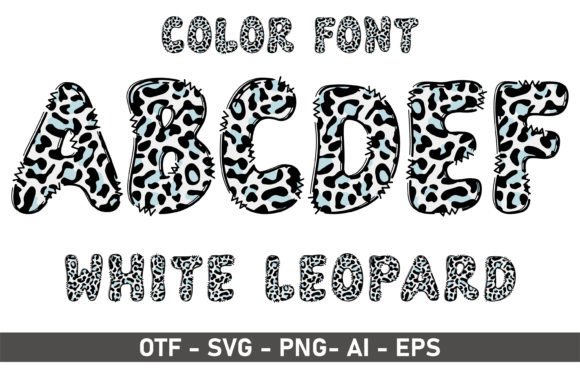
Imagine a typeface that doesn't just sit quietly on the page but actually communicates something before a single word is read. That's the immediate impression White Leopard makes. This is a display font with a distinct, playful character—a modern serif with a touch of whimsy that feels both artistic and approachable. It's the kind of typeface you choose when you want your design to have a voice, to feel friendly, creative, and full of personality. Whether you're designing a children's book cover, a quirky brand identity, or a set of eye-catching social media posts, this font sets a specific tone that generic typefaces simply can't match.
More Than Just a Pretty Face: Real-World Applications
The true test of any creative font is how well it performs across different projects. White Leopard isn't just for decoration; it's a versatile design asset. Its friendly, slightly organic letterforms make it a natural fit for projects aimed at younger audiences or those with a handmade feel. Think of the engaging text in a children's storybook, the playful titles on birthday party invitations, or the warm, welcoming headlines on a local bakery's menu. Its personality shines in contexts where you want to build an immediate, positive connection.
Beyond its obvious charm in print, this typeface has serious utility in digital spaces. For small business owners and entrepreneurs, it can be the cornerstone of a memorable brand identity. Use it for your logo to instantly convey a creative, approachable vibe. Apply it to packaging design to make your product stand out on a crowded shelf with a friendly, artisanal look. On social media, its distinctive style helps your graphics stop the scroll, creating a consistent and recognizable aesthetic across your Instagram grid or Pinterest pins.
Building a Cohesive Visual Language
One of the biggest challenges in design and branding is consistency. Using a distinctive font like White Leopard across multiple touchpoints—your website headers, blog graphics, email newsletters, and printed materials—creates a powerful visual thread. This repetition builds brand recognition. When a customer sees that unique, playful serif on a poster and then again on your website, it reinforces your identity without saying a word. It moves your brand from being forgettable to being familiar and trusted.
However, its playful nature does require thoughtful application. A key piece of practical advice is to consider readability carefully. While perfect for headlines, logos, and short blocks of text, a display font like this might not be the best choice for long-form body copy on a website or in a dense report. The goal is to use its personality to attract attention and set the mood, then pair it with a clean, highly readable sans-serif font for paragraphs. This font pairing strategy ensures your designs are both beautiful and functional. Always test your chosen combinations at different sizes to see how they hold up.
Navigating the Technical Details for Your Project
Choosing the right font style from the family is your first practical step. White Leopard typically includes multiple versions to give you flexibility. You'll likely find a standard black version that works universally, including with cutting machines like Cricut Design Space for crafting projects. This is your go-to for physical products like decals, t-shirts, and vinyl lettering.
The color version, however, is where things get more specialized and vibrant. This style is designed for digital and print design programs like Adobe Photoshop, Illustrator, Silhouette Studio, and Inkscape. It's important to note that these colorful OTF or TTF files are not compatible with Cricut or similar basic cutting software. Understanding this distinction is crucial. If you're a crafter planning to make physical items, the black version is your workhorse. If you're a designer creating digital graphics or print-ready artwork, the color version offers a stunning, modern effect. Always check the licensing details to ensure the font fits your project's scope, especially for commercial use.
Matching Font to Vision: Practical Considerations
So, how do you know if White Leopard is the right choice for your current project? Start by defining the emotion and message you need to convey. If your goal is professionalism, authority, and minimalism, a clean sans-serif might be better. But if you're aiming for creativity, friendliness, warmth, and a touch of fun, this typeface is a strong contender. It's particularly effective for businesses in creative industries, children's products, food and beverage (especially artisanal or family-owned), lifestyle blogging, and event planning.
Before committing, mock it up. Place the font into your actual design layout—your logo concept, a sample social media post, a draft of your book cover. See how it interacts with your color palette, imagery, and other typographic elements. Does it enhance your message or compete with it? Does it feel authentic to your brand's voice? This hands-on testing is worth more than any description. Ultimately, a great font is a tool that helps you communicate more effectively. When used thoughtfully, a character-rich typeface like this doesn't just decorate your work; it helps tell your story, engage your audience, and create a lasting impression that aligns perfectly with your creative vision.