Gingerman: A Playful Font for Creative Branding
There's a certain magic in finding a typeface that doesn't just convey words but embodies a feeling. For designers and creators working on projects that need to feel approachable, whimsical, or artistically spirited, the search can be surprisingly specific. You need a font that carries personality without sacrificing clarity, one that feels handcrafted yet remains versatile. This is where a characterful display font like Gingerman enters the picture, offering a solution for those aiming to inject a dose of playful sophistication into their work.
Understanding the Font's Visual Appeal
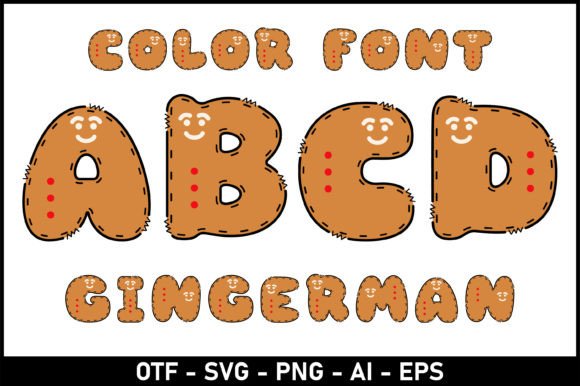
At its core, Gingerman is a display typeface, meaning it's designed for impact at larger sizes, such as headlines, logos, and titles. Its visual charm lies in its balanced blend of whimsy and legibility. The letterforms often feature soft, rounded edges and slightly irregular shapes that mimic the organic feel of hand-lettering, making it feel warm and personal. This aesthetic is particularly effective for designs that need to connect on an emotional level, avoiding the cold precision of more geometric sans-serif fonts. It’s a modern typography choice that feels both current and timeless in its approachability.
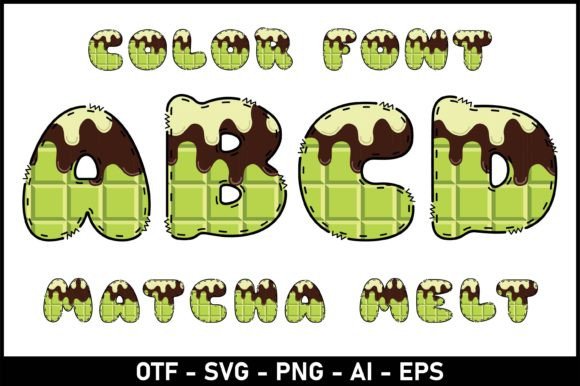
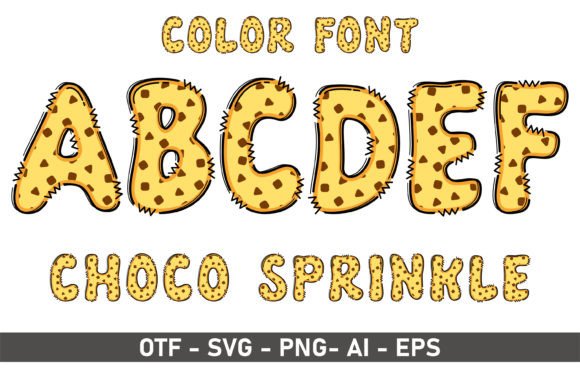
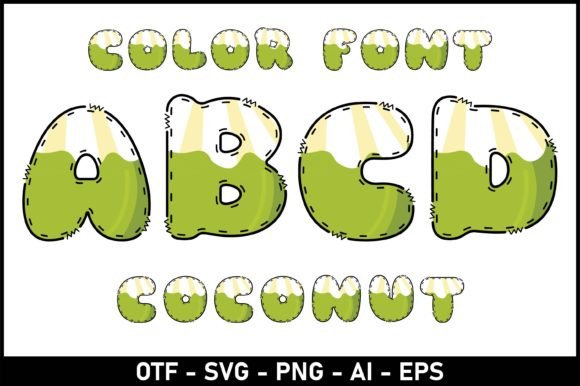
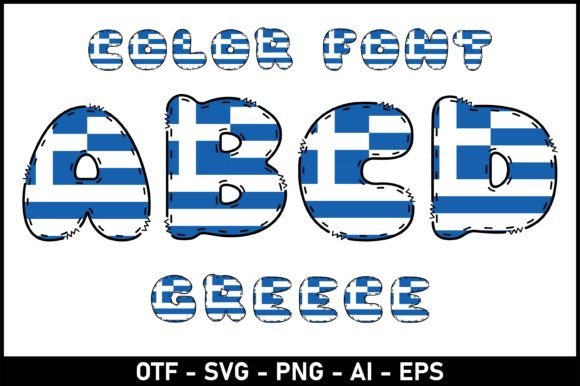
The font typically comes with several styles, which is crucial for practical application. You might find a regular weight for general use, a bold version for stronger emphasis, and possibly a black or filled variant. Understanding these included styles is the first step in using the font effectively. The black version, for instance, is noted for its compatibility with cutting machines like Cricut, making it a go-to for crafters and small business owners creating physical products. However, the color version—where you can apply gradients, patterns, or multi-hue fills within the letterforms—requires specific design software like Adobe Photoshop or Illustrator, a key consideration for digital-focused projects.
Practical Applications Across Industries
The true test of a creative font is its versatility. Gingerman's friendly character makes it adaptable across a wide range of mediums, serving everyone from indie authors to e-commerce brands. Its strength lies in projects where a human touch is desired.
- Brand Identity & Logo Design: For small businesses, especially those in children's products, artisanal foods, boutique retail, or creative services, a logo set in a font like Gingerman can instantly communicate brand personality. It suggests creativity, care, and a less corporate ethos.
- Packaging & Merchandise: On product packaging, this typeface can make a label feel more inviting. It's equally at home on merchandise like tote bags, mugs, or T-shirts, where a standout typographic element can become a key part of the product's appeal.
- Print & Editorial Design: Think beyond the obvious. While perfect for children's book titles and greeting card headings, it can also add a unique flair to event posters, magazine feature titles, or chapter headings in a cookbook, breaking up the monotony of body text.
- Digital Presence: In the digital realm, it can be a strategic asset for social media graphics, creating thumb-stopping headers for Instagram posts or Pinterest pins. Used judiciously for blog post titles or website hero sections, it can set a welcoming tone. Remember, for web use, pairing it with a highly readable sans-serif for body text is essential.
- Invitations & Digital Products: From wedding invitations to workshop flyers, the font adds a celebratory, personalized feel. It's also ideal for designing digital assets like printable planners, educational worksheets, or social media templates sold on marketplaces.
Strategic Font Pairing and Usage
Using a display font with strong personality requires a thoughtful approach to maintain professionalism and readability. The goal is to let Gingerman shine as the star of your headline without overwhelming the entire design.
A fundamental rule is to contrast, not compete. Pair it with a simple, neutral sans-serif or serif font for body copy. A clean sans-serif like Montserrat or Lato can provide a modern counterbalance, while a classic serif like Lora or Merriweather can offer a more traditional, grounded feel. This contrast creates visual hierarchy, guiding the viewer's eye naturally from the engaging headline to the informative body text.
Consider the context of your project. For a logo, you might use the bold weight exclusively. For a social media graphic, the regular weight could form the main message, with the bold used for a call-to-action. Always test your pairings and layouts. View them at different sizes and on various devices. Does the headline remain impactful on a mobile screen? Is the body text still comfortable to read in a printed brochure? This practical testing is where good design transitions from theory to effective communication.
Making an Informed Decision for Your Project
Before integrating any premium font into your workflow, a few practical checks are necessary. First, review the full character set and language support to ensure it meets your project's needs. Second, and critically, understand the licensing. Commercial fonts come with licenses that dictate how they can be used—whether for a single client project, unlimited commercial work, or solely for physical goods. Confirm that the license covers your intended use, especially if you're creating products for sale or client work.
Ultimately, choosing a typeface like Gingerman is about more than just aesthetics; it's a strategic decision in visual communication. It's about selecting a tool that aligns with your brand's voice, resonates with your target audience, and functions reliably across your intended applications. When a font's personality matches your project's goals, it doesn't just display text—it becomes an integral part of the story you're telling, fostering recognition and building a cohesive brand identity that feels both professional and genuinely engaging.